Why Professional Large-Scale Mold Assessment Is Critical for Pawcatuck Offices
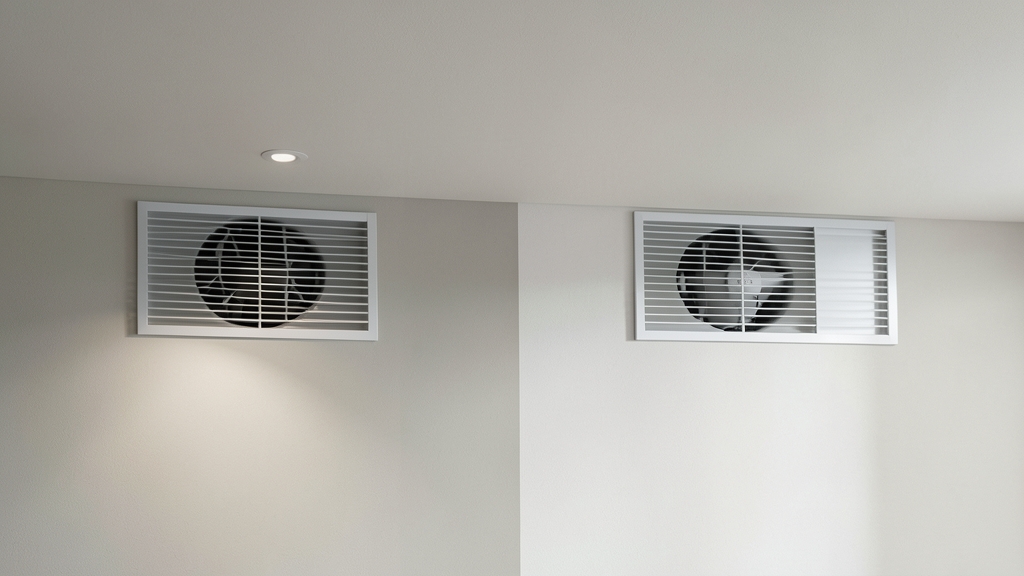
Commercial buildings in coastal areas like Pawcatuck face unique mold risks due to humidity, aging infrastructure, and water intrusion. Large-scale mold assessment isn’t just about visibility—it’s about uncovering hidden threats before they compromise health, structural integrity, or business operations. Our team specializes in thorough, code-compliant inspections tailored to office environments.
The Hidden Mold Problem in Office Buildings
Mold thrives in areas you can’t see: behind drywall, above ceiling tiles, or within HVAC ductwork. In offices, poor ventilation and undetected leaks create ideal conditions for colonies to spread unnoticed.
Unlike residential spaces, commercial buildings often have complex layouts and shared systems. A single water intrusion event in a Westerly or Stonington Borough office can affect multiple tenants, making early detection critical.
Why DIY Mold Tests Fall Short in Commercial Spaces
Over-the-counter mold test kits lack the precision needed for large-scale environments. They can’t map moisture sources, identify species, or assess airborne spore levels accurately.
Professional assessments use thermal imaging, borescopes, and air quality testing to pinpoint issues. We don’t just find mold—we trace its origin, whether it’s a roof leak in Mystic or a failing basement vapor barrier.
DIY tests often miss hidden mold, leading to delayed remediation and higher long-term costs. Always opt for professional inspection in commercial settings.
Key Components of a Large-Scale Mold Assessment
A thorough assessment begins with a visual inspection of all areas, including attics, crawl spaces, and mechanical rooms. We document moisture levels, water stains, and potential entry points.
Air and surface sampling follows, with lab analysis to identify mold species and spore concentrations. This data guides remediation plans and ensures compliance with IAQ standards.
What’s Included in Our Assessment
- Moisture mapping with thermal imaging
- HVAC system inspection for contamination
- Air and surface sampling for lab analysis
- Detailed report with remediation recommendations
- Post-remediation verification testing
Mold Assessment vs. Mold Testing: What’s the Difference?
Mold testing is a single step—collecting samples for analysis. Assessment is the full process: inspection, testing, and interpreting results to create an action plan.
Testing alone won’t tell you why mold is growing or how to stop it. Assessment connects the dots, especially in complex buildings where multiple factors contribute to the problem.
| Aspect | Mold Testing | Mold Assessment |
|---|---|---|
| Scope | Sample collection only | Inspection, testing, and analysis |
| Output | Lab results (species, spore count) | Comprehensive report with root cause and solutions |
| Use Case | Confirming mold presence | Identifying extent, cause, and remediation plan |
| Best For | Small, isolated areas | Large-scale or commercial properties |
Common Mold Hotspots in Pawcatuck Office Buildings
Basements and crawl spaces are prime targets due to poor drainage and high humidity. Many older offices in Stonington Borough or Wequetequock lack proper vapor barriers, exacerbating the issue.
Attics often harbor mold from roof leaks or condensation. HVAC systems can spread spores throughout the building if not properly maintained. Even drywall and carpeting can trap moisture after water damage.
Focus on spaces with poor airflow, past water damage, or high humidity. Early detection here prevents widespread contamination.
Health and Legal Risks of Unaddressed Mold in Offices
Exposure to mold can trigger allergies, respiratory issues, and long-term health problems for employees and clients. In commercial settings, this can lead to liability claims and lost productivity.
OSHA and local regulations require employers to maintain safe indoor air quality. Failure to address mold can result in fines, lawsuits, or even business closures. Proactive assessment mitigates these risks.
How Climate and Local Conditions Affect Mold Growth
Pawcatuck’s coastal climate means higher humidity, especially in summer and fall. Storms and flooding can introduce moisture into buildings, while salt air accelerates material degradation.
Older buildings in Mystic or Westerly may have outdated construction materials more susceptible to mold. Seasonal temperature swings can also create condensation issues in walls and ceilings.
What Happens After the Assessment?
Once we identify the mold’s extent and cause, we provide a detailed remediation plan. This includes containment strategies, removal protocols, and moisture control measures tailored to your office.
Our team coordinates with commercial mold remediation specialists to ensure safe, efficient execution. Post-remediation testing confirms the problem is resolved, giving you peace of mind and documentation for compliance.
How to Prepare for a Large-Scale Mold Assessment in Your Office
A smooth assessment starts with preparation. Follow these steps to ensure accuracy and efficiency.
- 1Clear Access to Key Areas
Remove obstructions from basements, attics, mechanical rooms, and crawl spaces. Our team needs unobstructed access to inspect thoroughly.
- 2Provide Building History
Share records of past water damage, leaks, or HVAC issues. This helps us target high-risk areas and understand recurring problems.
- 3Notify Occupants
Inform employees or tenants about the assessment schedule. Some areas may need temporary vacating during sampling or inspection.
- 4Shut Down HVAC Systems if Requested
We may ask you to turn off HVAC units briefly to prevent spore dispersal during air sampling. Follow our team’s guidance for safety.
- 5Address Immediate Water Issues
If active leaks or standing water are present, address these first. Mold assessment is most effective in dry conditions to avoid skewed results.
Frequently Asked Questions
How long does a large-scale mold assessment take for a Pawcatuck office?
The duration depends on your building’s size and complexity. A typical office assessment takes 4–8 hours, with lab results available within 3–5 business days. Larger or multi-story buildings may require additional time.
Will the assessment disrupt our business operations?
We minimize disruption by scheduling inspections during off-hours or low-activity periods. Most work is non-invasive, though some areas may need temporary access restrictions for safety.
Can mold return after remediation?
Yes, if the root cause (e.g., moisture, poor ventilation) isn’t addressed. Our assessment identifies these underlying issues, and our remediation plans include preventative measures to stop recurrence.
Is mold assessment required by law for commercial properties in Connecticut?
While CT doesn’t mandate routine mold assessments, OSHA and local health codes require employers to maintain safe indoor air quality. Assessments help demonstrate compliance and protect against liability.
Do you handle mold remediation as well, or just assessment?
We specialize in assessment, testing, and remediation planning. For large-scale remediation, we partner with trusted commercial mold remediation teams in Westerly, Mystic, and surrounding areas to execute the work.
What’s the most common type of mold found in Pawcatuck offices?
Cladosporium and Penicillium are frequent due to their ability to grow on various materials and in high-humidity environments. Aspergillus and Stachybotrys (black mold) are also common in water-damaged buildings.