Protecting Your Family from Toxic Mold in Pawcatuck: A Complete Guide
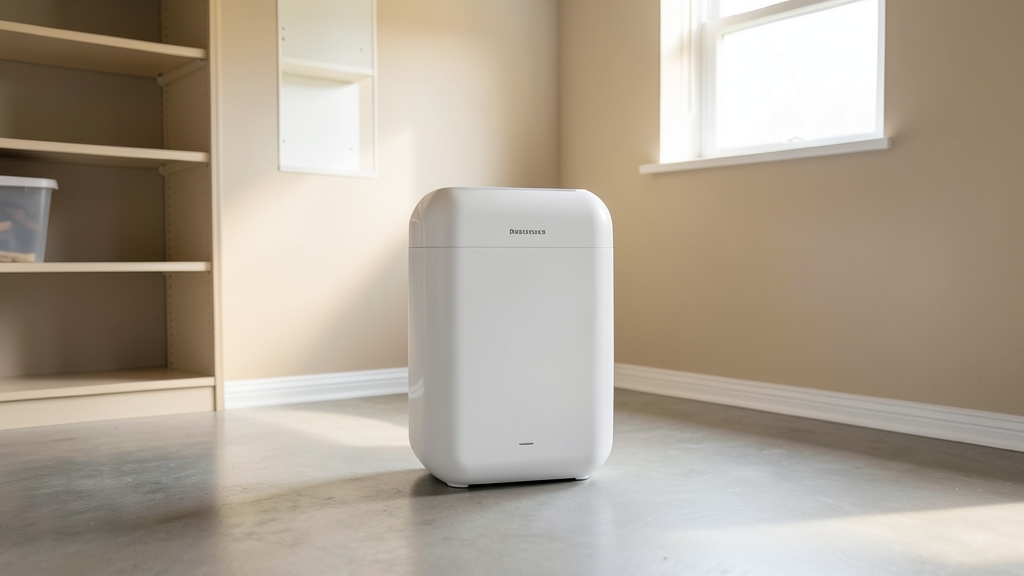
Toxic mold isn’t just an eyesore—it’s a silent threat to your family’s health and your home’s structure. In our coastal climate, moisture lingers, and mold thrives in hidden spaces like basements, attics, and crawl spaces. We’ll walk you through how to spot it, stop it, and keep your Pawcatuck home safe long-term.
What Makes Mold Toxic and Dangerous?
Not all mold is toxic, but certain species—like Stachybotrys (black mold), Aspergillus, and Chaetomium—produce mycotoxins that can trigger respiratory issues, allergies, and even neurological symptoms with prolonged exposure.
These spores spread easily through air currents, HVAC systems, and even on clothing. In damp areas like Westerly or Stonington Borough, they find ideal conditions to colonize within 24–48 hours of water intrusion.
Persistent coughing, headaches, or skin irritation? These could signal toxic mold exposure. Children, the elderly, and those with compromised immune systems are most vulnerable.
Where Mold Hides in Pawcatuck Homes
Our humid summers and cold, wet winters create perfect storm conditions for mold. Basements and crawl spaces—common in older Pawcatuck and Mystic homes—often lack proper ventilation, trapping moisture.
Attics with poor insulation or roof leaks are another hotspot. Even behind drywall, under flooring, or inside HVAC ducts, mold can grow undetected until it becomes a major remediation project.
Mold vs. Mildew: Know the Difference
Mildew is surface-level, powdery, and easier to clean with household solutions. Mold, however, penetrates porous materials like wood and drywall, requiring professional remediation.
Color isn’t a reliable indicator—black mold isn’t always black, and not all black mold is Stachybotrys. Only lab testing through air quality or surface sampling can confirm the species and toxicity.
| Feature | Mildew | Mold |
|---|---|---|
| Appearance | Powdery, white/gray | Fuzzy, slimy, or dark spots |
| Growth Depth | Surface-level | Penetrates materials |
| Health Risk | Low (mild allergies) | High (respiratory, neurological) |
| Removal | DIY cleaning | Professional remediation often required |
Signs You Need a Mold Inspection ASAP
Musty odors are the most common red flag—even if you can’t see mold. Other signs include water stains, peeling paint, or warped walls and floors.
Unexplained health symptoms that improve when you’re away from home? That’s a strong indicator of hidden mold. In areas like Wequetequock, where older homes are common, proactive inspections save costly repairs later.
Home test kits can confirm mold presence, but they can’t identify the species or extent. For accuracy, our team uses professional-grade air quality testing and thermal imaging.
The Mold Remediation Process: What to Expect
First, we contain the affected area with plastic sheeting and negative air pressure to prevent spores from spreading. HEPA air scrubbers run continuously during remediation.
Next, we remove contaminated materials—drywall, insulation, carpeting—following EPA guidelines. Non-porous surfaces are cleaned with antimicrobial solutions, and the area is dried thoroughly.
Finally, we address the root cause: fixing leaks, improving drainage, or installing dehumidifiers. Without moisture control, mold will return—especially in Pawcatuck’s damp climate.
Why DIY Mold Removal Often Fails
Bleach kills surface mold but doesn’t reach the roots or prevent regrowth. Disturbing mold without proper containment can release millions of spores into the air, worsening the problem.
Improper PPE (like standard dust masks) won’t protect you from inhaling spores. For large or toxic infestations, professional remediation with full containment and HEPA filtration is non-negotiable.
DIY removal can void homeowners’ insurance claims if not documented properly. In Connecticut, improper remediation may also violate local health codes.
Preventing Mold in Pawcatuck’s Climate
Control humidity with dehumidifiers—aim for 30–50% indoors. In basements and crawl spaces, consider vapor barriers and sump pumps to manage groundwater seepage.
Regularly inspect roofs, gutters, and downspouts. Clogged gutters in Mystic or Stonington Borough can lead to water pooling near foundations, a primary mold trigger.
Ensure proper airflow in attics and crawl spaces. Even small leaks from ice dams in winter can create hidden mold colonies by spring.
Mold Prevention Checklist
- Use dehumidifiers in damp areas (basements, crawl spaces)
- Inspect plumbing and roofs for leaks semi-annually
- Clean and dry water-damaged areas within 24–48 hours
- Seal gaps in windows, doors, and foundations
- Schedule annual HVAC maintenance to prevent duct contamination
When to Call a Professional Mold Remediation Team
If mold covers more than 10 square feet, or if you suspect toxic species, call us immediately. We serve Pawcatuck, Westerly, and surrounding areas with full-service remediation, testing, and prevention.
Commercial properties, schools, and healthcare facilities require specialized protocols due to higher occupancy and stricter regulations. Our team has training in both residential and commercial remediation.
How to Safely Inspect for Hidden Mold
Follow these steps to check for mold in less obvious areas of your home.
- 1Gather Protective Gear
Wear an N95 respirator, gloves, and goggles. Avoid disturbing mold directly—spores can become airborne easily.
- 2Check High-Risk Areas
Focus on basements, attics, crawl spaces, and behind appliances. Use a flashlight to spot discoloration or water stains.
- 3Follow Your Nose
Musty odors often lead to hidden mold. Sniff near HVAC vents, under sinks, and around windows for telltale smells.
- 4Look for Water Damage
Peeling paint, warped floors, or ceiling stains indicate past or current moisture issues—prime conditions for mold growth.
- 5Use a Moisture Meter
These inexpensive tools measure moisture levels in walls and floors. Readings above 17% suggest a high risk of mold.
- 6Document Findings
Take photos and notes of any suspect areas. This helps professionals assess the scope and provide an accurate quote.
Frequently Asked Questions
Can toxic mold in Pawcatuck homes cause long-term health problems?
Yes. Prolonged exposure to mycotoxins from species like Stachybotrys can lead to chronic respiratory issues, immune system suppression, and neurological effects. Children and those with pre-existing conditions are at higher risk.
How do I know if my home’s mold is toxic?
Visual inspection alone can’t confirm toxicity. Professional mold testing—via air or surface samples—identifies the species and spore count. We use accredited labs to analyze results quickly.
Does homeowners insurance cover mold remediation in Connecticut?
It depends on the cause. Sudden water damage (e.g., burst pipes) is often covered, but gradual issues like poor ventilation or neglect typically aren’t. Review your policy and document the damage thoroughly.
What’s the difference between mold remediation and mold removal?
Removal refers to eliminating visible mold, while remediation addresses the root cause—like fixing leaks or improving ventilation—to prevent regrowth. True remediation includes containment, cleaning, and prevention strategies.
How long does professional mold remediation take in Pawcatuck?
Timelines vary by severity. Small, contained areas may take 1–3 days, while large or toxic infestations (common in older Westerly or Mystic homes) can require a week or more, including drying time and post-remediation testing.
Can I stay in my home during mold remediation?
For minor cases, yes—with proper containment. For toxic mold or large infestations, we often recommend temporary relocation, especially for vulnerable individuals. Safety is our top priority.